NIGERIA, AS TOLD BY HER STORIES
LITERATURE AS A SOCIAL DOCUMENT THAT REFLECTS AND MIRRORS OUR SOCIETY
By Deluu · 25 June 2026
I read a tweet the other day which said, "If I had to write a book about Nigeria, my first sentence would be, 'This is not fiction; everything you are about to read is based on real-life events,' and these words couldn't be truer."
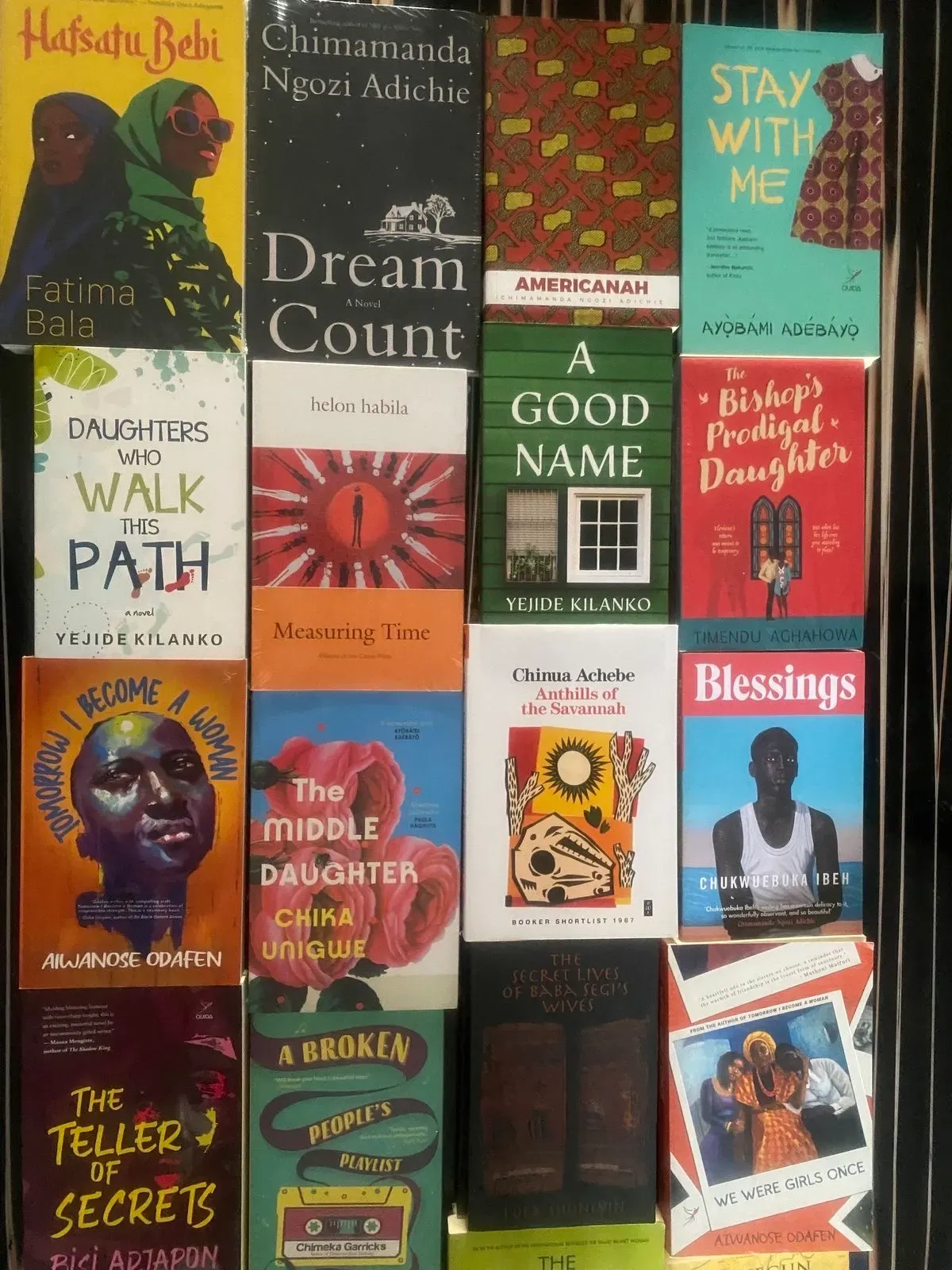
For decades, Nigerian authors have written and published different books. From celebrated authors like Chinua Achebe, Chimamanda Adichie, Wole Soyinka, Buchi Emecheta, Helon Habila, Seft Abba, and Ben Okri.
Whose works helped define what Nigerian literature could be. As their voices echoed in classrooms, libraries, and pages of newer Nigerian authors today, it's quite clear that the pioneer authors and the contemporary authors all have one thing in common. Through their storytelling, they bring life to the unheard voices of Nigerians, even when those truths might be uncomfortable.
Starting with Chinua Achebe, who was truly a visionary. His first book, "Things Fall Apart", tells the story of colonialism and its clash with culture through the life of Okonkwo.
Anyone who has read this book can openly acknowledge it encapsulates the struggle between Igbo tradition and the coming of the “white men”. Giving us a glimpse and presenting an understanding of what colonialism felt like: a systematic hijacking of culture and the domino effect.
Similarly, his other works explore the complexities of colonialisation, culture shifts and modernity. In his book "A Man of the People", Achebe, through Odili's lens, sheds light on the illusion of politics. The dishonesty amongst politicians, parading themselves as philanthropists while manipulating the people.
Buchi Emecheta, also one of Nigeria's most powerful literary voices, popularly known for her book “Second Class Citizen", gives a voice to the challenges faced as a result of womanhood, racism, gender inequality, immigration and colonialism, particularly as an African woman. The crushing reality of what it truly means to be an African woman trying to navigate her way through the complexities of life.
Chimamanda Ngozi Adichie is a trailblazing author who has made an indelible impact on the literary landscape. Her writing balances complexity with clarity, blending intricate themes of identity, gender and power into stories that are clear, relatable and deeply human. What makes her remarkable is her ability to make complexity feel personal. Her stories challenge you to think ,a perfect balance of intellect and emotion.
T.M. Aluko, a writer whose works focused more on the moral fibre of Nigerian society. He was more attuned to the quiet surveillance of ordinary life. He explored the everyday contradiction of faith, integrity, survival and social realities of ordinary Nigerians. In books like One Man, One Wife and Chief the Honourable Minister, he showed that the heart of Nigeria's story can be captured in the choices of everyday people and not just revolutions.
A common thread among these pioneer authors is their kinship themes. They wrote about connected subjects which resonate with each other. Back then these were the recurring issues, and friction became the only language through which these issues could be seen.
And you can say for a fact that all these things are not far from what happens in modern society.
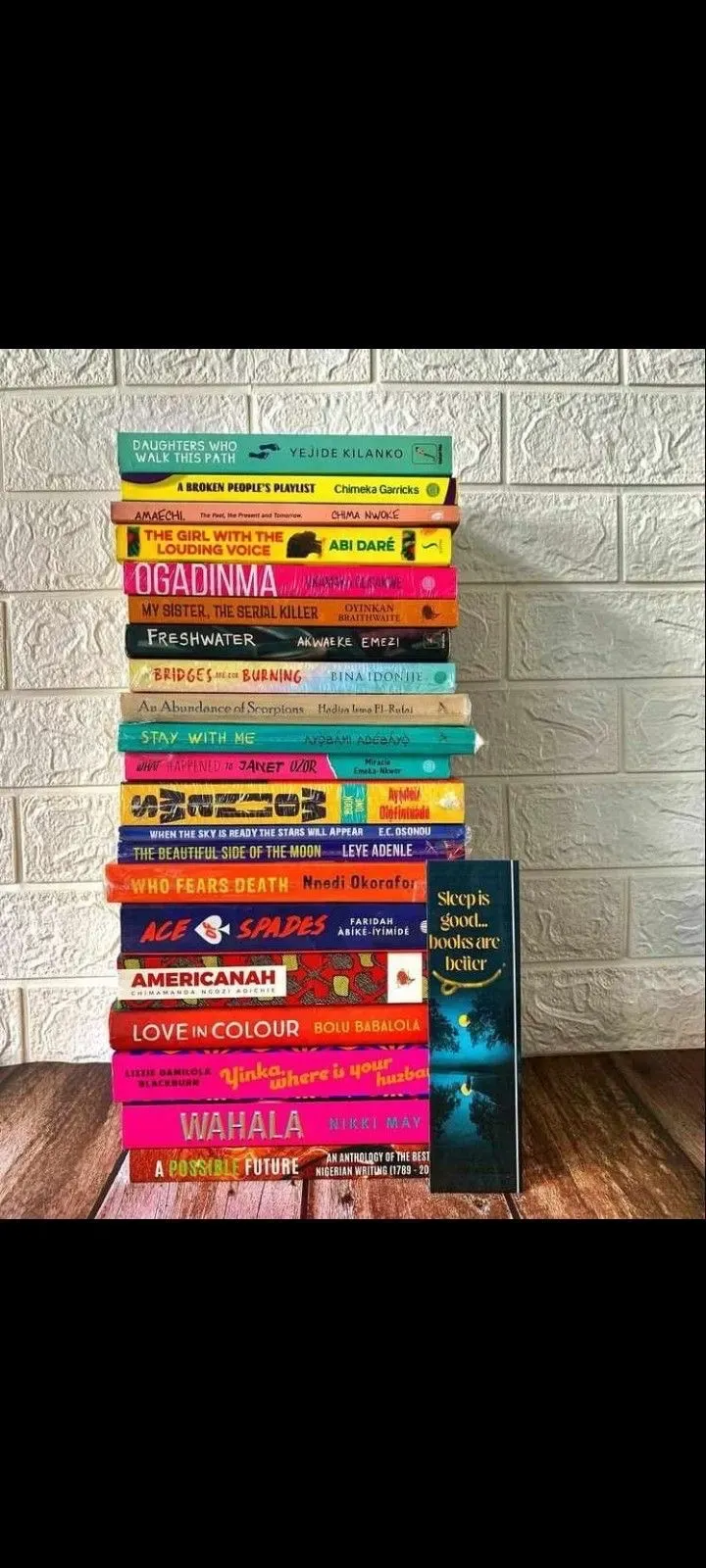
Over time, Nigerian literature has evolved, and newer authors have found their own way of telling stories, one that feels fresh but deeply familiar.
Let's begin with “Nearly all the men in Lagos are mad", a collection of short stories written by Damilare KuKu. She reimagines the abnormalities in modern dating and explores love, heartbreak and the chaotic dating scene in Nigeria’s bubbling City, Lagos. She brings a refreshing twist to familiar terms, blending humour with social commentary.
"The Secret Lives of Baba Segi’s Wives" by Lola Shoneyin. The book carries a witty and comedic tone, yet it is deeply reflective. Tackling serious themes – infertility, trauma, patriarchy, shame and secrecy – using comedy as a softener to tell these stories.
And if humour exposes everyday absurdities, true crime exposes the underbelly of society.
“My Sister the Serial Killer” by Onyikan Braithwaite, while it contains a blend of dark humour, the underlying narrative expressed by the author is a true crime story that explores family dynamics, loyalty, morality, and urban Lagos life – a different facet of Nigerian literature.
Similarly, Leye Adenle's Easy Motion Tourist unpacks this genre in a different way. Pushing the thriller narrative where the stakes shift from private secrets to public danger being exposed on the streets of Lagos. Navigating a dangerous world marked by corruption, trafficking and the complicity of powerful political actors.
Beyond crime and humour, through the feminist narrative, Nigerian literature has flourished. To be clear, this genre has always existed, as women's rights have been in contention since the beginning. However, modern-day authors have extended this heritage to include unconventional approaches to feminist expression by introducing conversations about class, culture, sexuality, education and anatomy.
And truly is any genre ever complete without a touch of love?? Nigerian authors have given us love stories worth remembering. The romance genre has evolved, as authors continue to reimagine love in bold contemporary ways. Love stories no longer feel foreign to us, and authors have made them relatable, incorporating real-life romantic struggles into friction. From tribal and cultural complexities, forbidden love and societal expectations, these stories show that love too is deeply informed by our lived realities.
It is commonly accepted in literary criticism that literature is a social document that is a reflection of a society. So inherently what this means is that a people's literature mirrors the society and reflects their values.
Nigerian literature isn't just entertainment or an escape from reality; it is the archive of who we are. And through their words, Nigerian authors have captured the reality of the average Nigerian, indirectly giving a voice and a platform where stories are written down in the sands of time.
The truths that shape us linger in the pages of our books and remind us that imagination is not always about escaping reality; sometimes it's about transforming it.
As cliché as it sounds, "leaders are readers", and books have the power to shift perspectives because every book you read has the ability to influence your thoughts and challenge the things we believe shape the way we live.
Safe to say that Nigerian authors have truly mastered the art and act of storytelling, and it is very evident in the books they have written.
In the end, Nigerian literature is a testament to the creativity that can be rooted in reality yet vast in imagination.
- Nigeria literature
- chinua achebe
- fiction
- literature
- novels